
Roof replacement cost in 2026: materials, labor, and what to expect
Roof replacement cost in 2026, explained: material, labor share, tear-off, decking repair, tax credits, rebates, and how to vet a roofing contractor.

How much does a full roof replacement cost in 2026, and where does the money actually go? I'm James Kellaghan, founder of James & Co and a licensed master builder with 19 years on residential roofing and envelope work. For a typical 2,200 square foot home, roof replacement cost now sits in a much wider band than it did five years ago because material prices, code upgrades, and regional labor rates have all shifted. This guide breaks the number down by material, by labor share, and by the extras (tear-off, decking, underlayment, permits) that quietly add thousands to your final invoice.
How much does a roof replacement cost per square foot in 2026?
Roof replacement cost in 2026 runs roughly $4.50 to $9.50 per square foot for architectural asphalt shingles on a straightforward gable roof, and $9 to $18 per square foot for standing seam metal (interlocking vertical panels with concealed fasteners, as opposed to exposed-screw corrugated metal), according to national contractor surveys reported by This Old House's roofing pricing guides and member data from the National Association of Home Builders. Steep pitches and complex hip-and-valley layouts push those figures higher.
Roofers still bid most jobs by the "square" (100 square feet of roof surface, not floor area). A 2,200 square foot house with an average pitch often carries about 25 to 30 roofing squares once eaves, dormers, and overhangs are counted. Multiply that by a per-square price, then add tear-off, permits, and any hidden decking work. NAHB data indicates roofing is among the top five exterior projects taken on by remodeling contractors nationally, so most local markets have a deep bench of bidders.
| Material | Installed cost per sq. ft. | Typical lifespan |
|---|---|---|
| 3-tab asphalt shingles | $3.50 to $5.50 | 20 to 25 years |
| Architectural asphalt shingles | $4.50 to $9.50 | 30 plus years |
| Standing seam metal | $9 to $18 | 40 to 70 years |
| Concrete or clay tile | $10 to $20 | 50 plus years |
| Slate | $15 to $30 plus | 75 to 100 years |
Which roofing materials offer the best durability for the price?
The best long-term value in 2026 for most primary residences is still architectural asphalt shingle. Compared to metal or tile it delivers the lowest roof replacement cost, comes with 30 plus year manufacturer warranties, and returns about 61% of project cost at resale according to Remodeling Magazine's Cost vs. Value report. Metal wins on lifespan; tile wins on aesthetics; slate wins on posterity.
Architectural shingles are the workhorse. This Old House's best-shingle review notes that 3-tab shingles carry a 20 to 25 year warranty while architectural (dimensional) shingles run 30 years or more. Homes in hail belts or high-wind coastal zones often benefit from Class 4 impact-rated shingles (tested to UL 2218, the highest hail-resistance rating in the U.S.), which can also earn a homeowner's insurance discount of 5 to 25% depending on carrier and state.
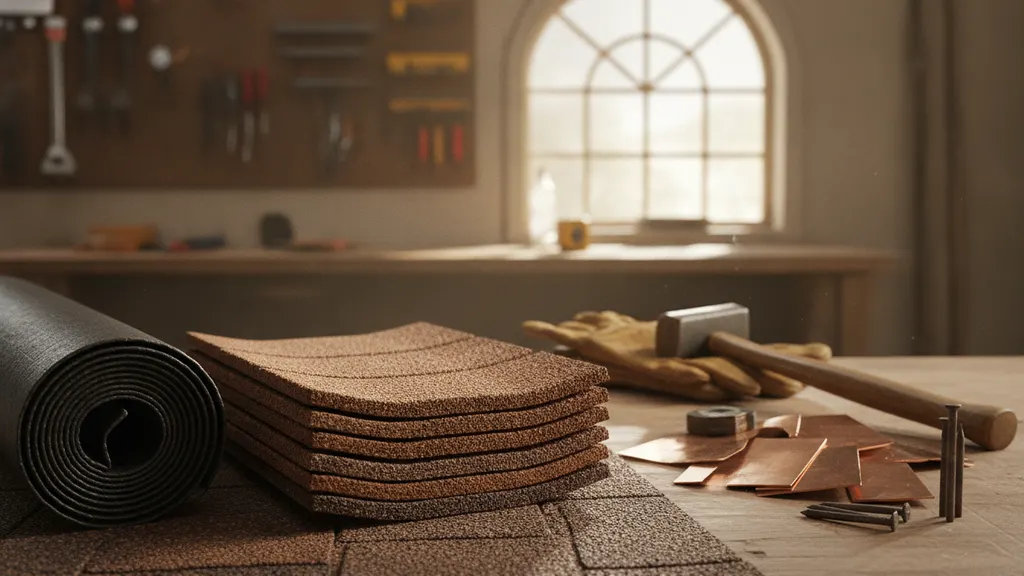
Standing seam metal now sits in the $9 to $18 per square foot installed range and lasts 40 to 70 years. It reflects heat, sheds snow, and shrugs off wildfire embers, which is why the U.S. Department of Energy's cool roofs guide lists cool metal roofing among efficient options for warm climates. Concrete and clay tile last 50 plus years but require an engineer's sign-off because a tile roof can weigh three times more than shingle. If you are also planning an attic conversion or new attic insulation, coordinate the timing so you only pay for a single tear-off and one dumpster.
What drives your total roof replacement cost beyond materials?
Roof replacement cost is not just shingles plus a crew. Tear-off of the old roof, plywood or OSB deck repair, ice-and-water shield, synthetic underlayment, drip edge, ridge vent, flashing, permits, and dumpster fees together typically add 15 to 30% to a base bid, per JLC's field cost data for roofing crews. Understanding those line items is the difference between a fair bid and a surprise change order in week two.
Labor is the single largest line on most quotes. On a straightforward architectural shingle job, roughly 55 to 65% of the invoice is labor, and 35 to 45% is material. As soon as you climb into metal, tile, or slate, the material share jumps and specialty labor rates climb with it. Steep pitch (over 8/12) usually adds 20 to 40% because crews slow down and safety rigging goes up.
Tear-off matters. Most local codes limit the roof to two shingle layers, and re-roofing over an existing layer often voids the new shingle warranty. Full tear-off adds roughly $1 to $2 per square foot but is the only way to inspect the deck. Rotted plywood usually shows up around bathroom vents, chimneys, and skylights; budget for at least a few sheets even on a "clean" roof.
On a fall 2023 re-roof, we stripped back shingles on a 1988 split-level and found nine sheets of OSB with full delamination concentrated around both dormers and the chimney base. The homeowner had budgeted for zero deck work. That job is why every roof replacement cost proposal I write now carries a firm per-sheet contingency rate agreed to before the first shingle comes off. Surprises still happen; change-order fights do not have to.
Tax credits, rebates, and roof replacement cost offsets in 2026
Qualifying cool-roof metal or solar-integrated projects can reduce your roof replacement cost by $1,500 to $3,500 or more in 2026 when you stack federal tax credits with state utility rebates. A straight shingle-for-shingle swap does not qualify for the federal credit directly, but the U.S. Department of Energy's rebate finder lists state and utility programs that add on top.
The Energy Efficient Home Improvement Credit (25C) covers 30% of qualifying insulation and building envelope upgrades, capped annually. It does not cover the shingle itself but often covers attic air-sealing and radiant barrier work done at the same time as a tear-off. Solar shingles and integrated PV roofs qualify under the Residential Clean Energy Credit (25D), which covers 30% of the solar portion with no annual cap.
Utility rebates for cool roofs are strongest in the South and Southwest. Insurance carriers in hail and hurricane states routinely offer 5 to 25% premium discounts for Class 4 impact-rated shingles or fully adhered metal, which can pay back the material upgrade within a few years. If you are stacking exterior projects, pairing the roof with window replacement, gutter replacement, and siding replacement in the same season cuts trip charges and scaffolding fees.
How to vet a contractor and control your roof replacement cost
The best defense against a bloated roof replacement cost is a written scope, three real bids, and a contractor who does not need your signature today. Ask for the manufacturer certification (GAF Master Elite, CertainTeed SELECT ShingleMaster, Owens Corning Preferred), current general liability and workers' comp certificates, and three local references from jobs finished within the last twelve months.
Storm-chasing crews that appear the week after a hail event are the single biggest source of overcharges and abandoned warranty claims. A settled local contractor with a physical address will still be around when a ridge cap lifts three winters from now. That continuity is worth more than a 10% discount on paper.
Get every bid line-itemed. A quality quote separates tear-off, deck replacement rate (per sheet), underlayment brand, shingle SKU, ridge vent linear footage, and flashing details. If two bids are within 10% and the third is 30% lower, the low bid is almost always missing something. If it is 30% higher, ask what upgraded material or crew size drives the gap.
Insurance claims deserve their own paragraph. If a storm damaged your roof, your carrier owes replacement to like-kind-and-quality, minus your deductible. Never sign an "Assignment of Benefits" (AOB) that hands your claim rights to a contractor. Pair a public adjuster with a reputable roofer instead, and keep the payment structure staged: modest deposit, dry-in, final. Anyone demanding half the contract up front is a red flag.
Frequently asked questions
How long does a full roof replacement take?
A straightforward asphalt shingle re-roof on a 2,200 square foot single-story home usually finishes in one to three days once the crew starts. Two-story homes, steep pitches, and complex rooflines with multiple valleys, dormers, or chimneys can stretch that to a full week. Standing seam metal runs three to seven days because panels are custom cut on site. Tile and slate can run two to four weeks. Weather is the single biggest variable, since crews cannot dry-in a roof safely in heavy rain or wind above 30 mph, per guidance from JLC's roofing installation guides.
Is it cheaper to repair or replace a 20 year old roof?
If more than 30% of the roof is damaged, or the shingles are curling, cracking, or shedding granules across most slopes, replacement is usually cheaper over a five to ten year window. Patching an aging roof buys time but rarely stops the underlying failure. This Old House recommends replacement once a 3-tab shingle roof passes 20 years, or an architectural shingle roof passes 25 to 28 years, because underlayment and flashing typically fail on the same timeline as the shingle. Repairs make sense for isolated storm damage on a roof under 12 years old.
Can I put a new roof over the old one?
Most local codes allow a maximum of two shingle layers, so if you already have one layer, you can technically add a second. In practice, roofing over an existing layer is a false economy. You cannot inspect the deck, the new shingles trap heat and age faster, most manufacturers void the warranty, and the extra weight can stress the framing. NAHB member surveys and Remodeling Magazine's Cost vs. Value report both show full tear-off is standard practice for a reason: it protects the warranty, the resale value, and the long-term structure.
What time of year is cheapest for a new roof?
Late winter through early spring (roughly February to April in most of the U.S.) is the softest pricing window because crews are working through backlog and material demand is lower. Peak season is late summer through fall storm season, when demand and lead times both climb. Booking a shoulder-season install often saves 5 to 15% on labor, per contractor pricing data reported by Remodeling Magazine's Cost vs. Value report. Avoid the two weeks after any major regional storm, when storm-chasing crews and price spikes both flood the market.
Do I need a permit to replace my roof?
Almost every U.S. municipality requires a re-roof permit, even for a like-for-like shingle swap, because the inspector checks nailing pattern, ice-and-water shield placement in cold climates, and ventilation. Permit fees typically run $150 to $500. A reputable contractor pulls the permit in their own name (never yours) and includes the fee on the written quote. If a bidder offers to skip the permit to save money, treat it as a red flag; unpermitted work can void insurance claims and complicate resale, per guidance summarized by Houzz's roofing hire guide.
How do I know if my roof deck needs replacing?
You will not know for sure until the shingles come off. Signs from below include sagging between rafters, water staining on the attic side of the sheathing, or a spongy feel when you walk the roof. Once the deck is exposed, the crew looks for delamination, rot around penetrations, and daylight through nail holes. Budget for at least three to five replacement sheets of OSB or plywood at $60 to $120 each installed, per This Old House's roof decking guidance. Anything more, and it is fair to renegotiate the line item rather than the whole contract.
From our workshop
The work behind this
- Remodels & RenovationsTransforming lived-in homes with respect and artistry you can feel in every detail. We bring clarity to complexity, uncover what others may have covered up, and deliver spaces that feel completely renewed yet unmistakably solid.
- Custom Cabinets & KitchensHandcrafted in our Chattanooga workshop and installed by our own team, with options ranging from high-gloss finishes to solid oak, mahogany, and American walnut.


Thinking about a project of your own?
We start every job with a conversation. Tell us about your home and what you are imagining, and we will take it from there.
Book a Consultation