
Hardwood floor installation cost in 2026: solid, engineered, and ROI
Hardwood floor installation cost in 2026 by species, grade, and room: solid vs engineered pricing, ROI at resale, and contractor questions to ask.

The single question at the start of every wood floor project is simple: what is the real hardwood floor installation cost in 2026, and does the number pay you back at resale? The short answer, backed by industry data below, is that engineered goes in for less, solid outlives the mortgage, and refinishing existing floors is the highest-return move of the three. The rest of this piece breaks the pricing down by species, subfloor, and room so you can plan without surprises.
What is the average hardwood floor installation cost per square foot in 2026?
The 2026 average hardwood floor installation cost sits in a wide but well-published band. According to This Old House pricing guidance, solid hardwood installed runs 6 to 12 dollars per square foot for materials and labor combined, and engineered options run 4 to 9 dollars per square foot installed, which is the anchor number every bid in this space should reference.
Where a specific project lands inside that band depends on five levers: species, board width, grade, installation method, and subfloor condition. Domestic red or white oak in a 3.25 inch strip is the cheapest true hardwood and sets the low end. Wide-plank white oak, walnut, hickory, and exotic species like Brazilian cherry sit at the top. A herringbone or chevron layout adds 30 to 60 percent in labor because of the waste factor and cut time.
Species is the primary driver of where a project lands within the hardwood floor installation cost band. The table below shows 2026 installed price ranges by species for standard 3.25-inch strip, before adjustments for plank width, pattern layout, or subfloor condition.
| Species | 2026 installed cost per sq ft | Key characteristic |
|---|---|---|
| Red oak | $6-$10 | Domestic standard; widest stock availability |
| White oak | $7-$12 | Tighter ray fleck; top-specified species in 2026 |
| Hickory | $8-$13 | High-contrast figure; very hard, resists denting |
| Walnut | $10-$16 | Rich dark tone; narrower supply keeps cost high |
| Brazilian cherry | $12-$18 | Exotic import; Janka hardness nearly double oak |
Room size matters less than most homeowners assume. A 200 square foot dining room can cost more per square foot than a 1,200 square foot main level because setup, delivery, and finish coats are largely fixed. If you are pricing a whole-floor refresh, ask the contractor to break the bid into materials, labor, subfloor allowance, and finish so you can compare apples to apples between three quotes.
Solid vs engineered hardwood: cost, refinishability, and where each belongs
The gap between solid and engineered is less about looks and more about how each product handles moisture and where it can be installed. A solid plank is one piece of wood, typically 3/4 inch thick, nailed down over a wood subfloor. Engineered is a real wood veneer bonded to a plywood or HDF core, usually 3/8 to 3/4 inch thick, and can be nailed, glued, or floated.
The National Kitchen and Bath Association design body notes that engineered hardwood, thanks to its cross-ply construction, is dimensionally stable enough for installation over radiant heat and below grade, where solid planks would expand and cup. That single fact drives most modern specification: any slab-on-grade room, any basement, and any radiant-heated floor should default to engineered.
Refinishability is the counterargument for solid. A 3/4 inch solid plank can be sanded and refinished six to ten times over its life, essentially the lifespan of the house. Engineered with a 3 millimeter or thicker top veneer can be refinished once or twice; thinner "click-lock" engineered cannot be sanded at all. If a floor will see kids, dogs, and a 40 year hold, solid still earns its higher installed cost.
| Feature | Solid hardwood | Engineered hardwood |
|---|---|---|
| Installed cost per sq ft (2026) | $6-$12 | $4-$9 |
| Refinish cycles | 6-10 | 0-2 |
| Radiant heat | Not recommended | Approved with 3mm+ veneer |
| Below grade / slab | Not recommended | Approved (glue or float) |
| Typical lifespan | 60-100 years | 20-40 years |
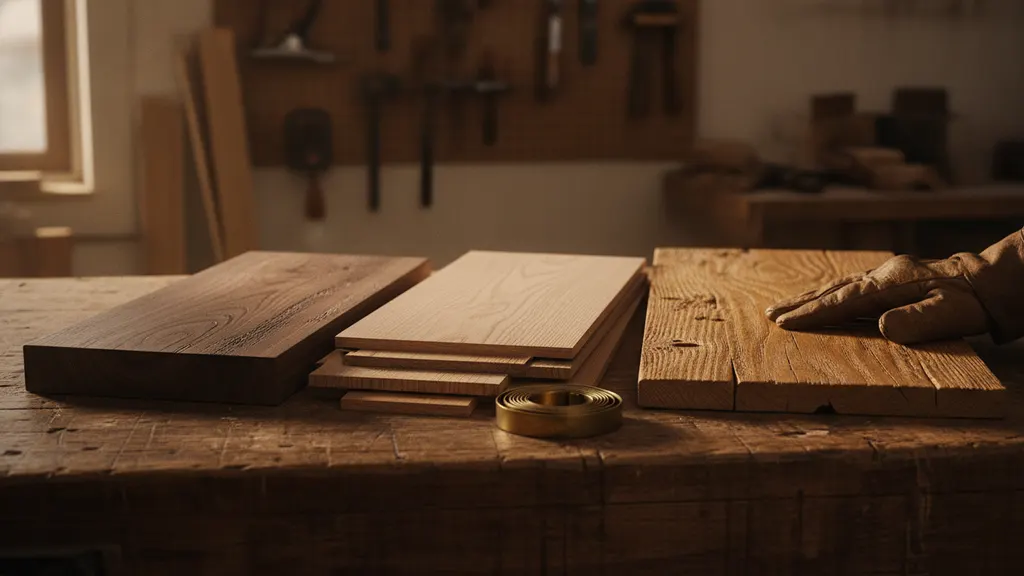
Which rooms belong on wood, and which do not, at any hardwood floor installation cost
Not every room is a candidate for wood, and the wrong room choice is the fastest way to turn a great hardwood floor installation cost into a warranty fight two winters later. Architectural Digest room-by-room material guidance and NKBA both put wood on the yes list for living rooms, dining rooms, hallways, bedrooms, home offices, and formal entries.
The no list is short and firm: full bathrooms, laundry rooms, mudrooms with direct exterior doors in snow country, and any basement with a history of moisture. Kitchens are the honest gray area. Engineered hardwood performs well in kitchens with careful households and rugs at the sink and range, but families with young children, dogs, and heavy appliance foot traffic often end up happier with porcelain tile.
One additional check the National Association of Home Builders code and warranty guidance flags: relative humidity in the finished house should stay between 30 and 50 percent year round for solid hardwood to remain stable. Homes without whole-house humidification in cold climates should discuss this openly with the contractor before choosing solid over engineered.
Hardwood vs LVP, tile, and carpet: the ROI math behind hardwood floor installation cost
On resale, wood outperforms every soft-surface competitor and matches or beats hard-surface alternatives. Remodeling Magazine's Cost vs. Value data shows hardwood floor refinishing returns approximately 147 percent of project cost, per the report published at Remodeling Magazine Cost vs. Value, making it one of the highest-ROI interior upgrades tracked.
New wood installation does not hit that 147 percent number, because you are buying the material rather than restoring what is there. It still outperforms new carpet at resale, particularly in living, dining, and entry areas that appear in listing photos. Luxury vinyl plank has closed part of the gap on cost, and premium LVP looks convincing on camera, but appraisers still assign a wood premium in most metro markets.
Tile beats hardwood only in wet rooms and hot climates where a radiant slab is common. Carpet is the lowest-cost install per square foot but returns the least at resale and has the shortest replacement cycle. For a homeowner deciding where to put renovation dollars, a main-level hardwood floor installation cost combined with a targeted kitchen remodel budget plan is close to the highest-yield combination available.
How to control your hardwood floor installation cost during bidding
The two biggest drivers of over-budget wood projects are unknown subfloor condition and vague scope on trim, transitions, and stairs. Both are solvable at the bid stage. Ask each contractor to walk the job with a moisture meter, note flatness with a straightedge, and quote a subfloor allowance in dollars per square foot rather than an unwritten "we'll see what's under there."
My crew pulled carpet out of a 1912 Craftsman in Minneapolis in late 2024 and found original fir subfloor boards showing a 14 percent moisture reading and half an inch of cupping across the joists. The homeowner had budgeted nothing for subfloor prep. What should have been a three-day white oak install became a five-day job with a 900-dollar change order for plywood overlay. The written subfloor allowance I now require on every hardwood floor installation cost proposal would have absorbed that line item at signing, with no surprise on day one.
Write transitions, thresholds, stair nosings, quarter round, shoe molding, and vent registers into the scope by count, not by lump sum. A single hardwood staircase can add 1,500 to 4,000 dollars depending on tread count, and it is the most common line item quietly missing from low bids. Similarly, if your project touches an open floor plan renovation, the transition to adjacent rooms matters more than the field of the floor itself.
Finally, ask about the finish system. Site-finished oil-based polyurethane is the traditional standard, cures over 30 days, and creates strong VOC exposure during that period; the EPA indoor air quality guidance is worth reading before you commit to a site finish while occupied. Water-based polyurethane and prefinished factory-cured floors clear far faster and are a better fit for families who cannot move out for a month.
What to ask a flooring contractor before signing any contract
NAHB warranty guidance identifies subfloor preparation as the leading category of hardwood floor callbacks in residential construction. Every bid comparison should therefore end with the same short set of questions. The Journal of Light Construction field guidance and NAHB documents converge on a checklist that separates a real hardwood floor installation cost from a bait number, and most items on that list address what happens before the first plank goes down.
Ask for a written moisture reading of the subfloor and the flooring at delivery; ask for the acclimation window in days, in the actual finished house, before install begins; ask for the specific product name, mill, and lot number so a warranty claim is possible later; ask whether the crew is the contractor's own or a sub, and who owns the callback in year two if a board cups; and ask for proof of workers' compensation and general liability insurance. Then ask the contractor to bid a matched engineered option next to their solid recommendation: if the numbers come back close and the room is above grade in a stable climate, solid is still the long game; if the engineered bid is meaningfully cheaper and the room is basement, radiant, or slab, take the engineered option, with NKBA guidance on your side. And if you are considering wood in a basement, read the basement finishing cost guide and the crawl space encapsulation guide first so you handle moisture at the source, not at the floor.
Frequently asked questions
Is solid hardwood or engineered hardwood a better value in 2026?
Engineered hardwood is usually the better dollar value up front because installed pricing runs lower per square foot and it tolerates a wider range of subfloors, including slab and radiant heat, according to This Old House. Solid hardwood costs more to buy and install but can be sanded and refinished more times over a 60 to 100 year life, so the lifetime cost per year is competitive in a dry, stable room. If you plan to stay long term in a house with plywood subfloors above grade, solid still makes sense. Everywhere else, engineered wins on total cost.
How much does hardwood floor installation cost per square foot in 2026?
For 2026, installed pricing published by This Old House sits at roughly 6 to 12 dollars per square foot for solid hardwood and 4 to 9 dollars per square foot for engineered, materials and labor combined. Wide plank, exotic species, herringbone patterns, stair nosings, and subfloor repairs push the number higher. In a typical 500 square foot living and dining zone, a homeowner should plan on a mid-range budget of 3,500 to 6,000 dollars for engineered and 4,500 to 7,500 dollars for solid, plus contingency for surprises under the old floor.
Can I install engineered hardwood over radiant heat or in a basement?
Yes. NKBA design guidance points to engineered hardwood as the appropriate choice for radiant heat and for below-grade rooms because its cross-ply core resists the seasonal cupping and gapping that solid planks show in those conditions. The wear layer still gives a real wood look and can be lightly refinished once or twice if the top veneer is 3 millimeters or thicker. Ask the contractor to verify subfloor moisture with a meter, run the heat system for two weeks before install, and follow the manufacturer floor temperature cap, usually 80 degrees Fahrenheit at the surface.
Does hardwood really return more at resale than LVP or tile?
Remodeling Magazine tracks refinishing existing hardwood floors at roughly 147 percent cost recovery, which is one of the highest returns of any interior project in their annual Cost vs. Value report. New hardwood installation recovers a smaller share, but appraisers and listing agents surveyed by the National Association of REALTORS Remodeling Impact Report rank wood floors above LVP and carpet for buyer appeal in living, dining, and entry spaces. Tile still wins in wet zones. For resale in dry rooms, real wood remains the material buyers pay a premium for.
Which rooms should never get hardwood?
Full baths, laundry rooms, mudrooms with direct outdoor entry, and unfinished basements are the wrong rooms for solid hardwood, and even engineered hardwood is risky in a full bath with a tub or shower. Standing water, snowmelt, and long humidity swings cause cupping, delamination, and mold under the plank. Porcelain tile or a good luxury vinyl plank is the right call in those spaces. Kitchens are a gray area: engineered wood is fine with a diligent household and a runner at the sink, but a busy family with young kids may be happier with tile in front of the range and dishwasher.
What is a fair contractor allowance for subfloor repairs?
A reasonable line item on any hardwood bid is a subfloor repair allowance of roughly 1 to 3 dollars per square foot, invoiced only against actual repairs, with photos. Older homes often need plank subfloor replaced with 3/4 inch plywood, screwed and glued, before nail-down hardwood can go over it. JLC field guidance recommends measuring subfloor moisture content, flatness within 3/16 inch over 10 feet, and squeaks addressed before the first plank goes down. If a bid has no subfloor allowance at all, expect a change order the day the old carpet comes up.
From our workshop
The work behind this
- Remodels & RenovationsTransforming lived-in homes with respect and artistry you can feel in every detail. We bring clarity to complexity, uncover what others may have covered up, and deliver spaces that feel completely renewed yet unmistakably solid.
- Custom Cabinets & KitchensHandcrafted in our Chattanooga workshop and installed by our own team, with options ranging from high-gloss finishes to solid oak, mahogany, and American walnut.


Thinking about a project of your own?
We start every job with a conversation. Tell us about your home and what you are imagining, and we will take it from there.
Book a Consultation